
The Fair Housing Act prohibits housing providers from discriminating against individuals based on their physical handicaps. In addition, the Act requires that housing providers make reasonable accommodations to their rules and policies when an adjustment of a policy is necessary for a disabled person to have an equal opportunity to use and enjoy the offered housing.
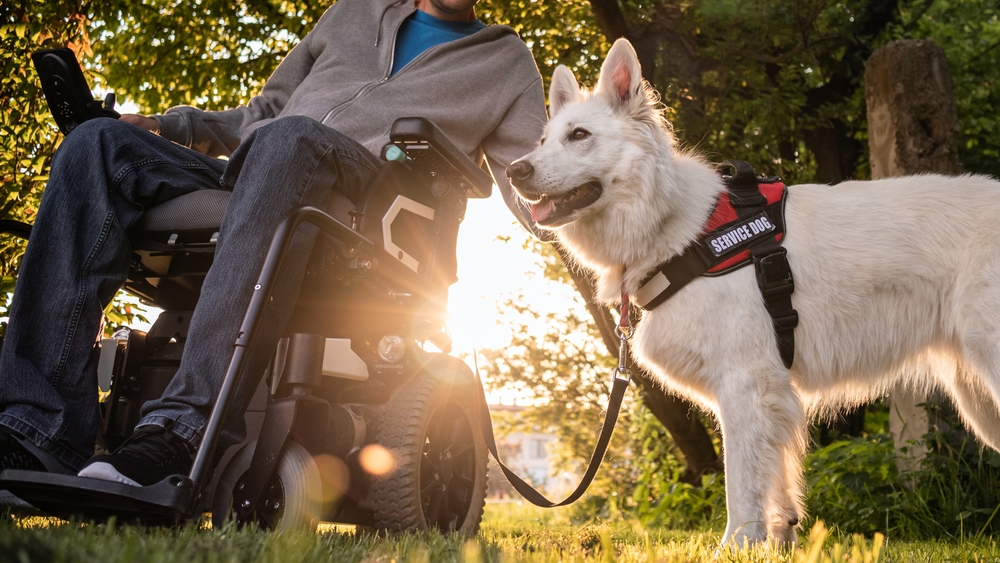
One fairly uncontroversial example of a reasonable accommodation is the case where a blind person has the assistance of what we might have once called a seeing-eye dog. These are trained animals that provide specific and essential services to persons with clear disabilities. A “no pets” policy cannot be applied to prevent the disabled person from having the assistance of such an animal under the Act.
But in recent years there have been a growing number of more controversial accommodations requested where the disability of the applicant is not as easy to verify and the support animal itself is not particularly a trained animal specialized to the problem. Many people seeking these accommodations report that they suffer from mental issues such as anxiety, depression or post-traumatic stress and that their issues are much relieved when they have emotional support animals.
Landlords and management companies have had a great deal of trouble determining where the line lies between untrained “support animals” and simple pets. It’s become something of a cliché in comedy and pop culture. For instance, Homer Simpson’s emotional support pig, Plopper, who went from pet to emotional support animal in order to avoid his wife Marge’s urge to declutter.
HUD’s previous guidance on the subject placed the housing providers in a precarious position as both medical providers and online services have made obtaining emotional support certifications for untrained animals reportedly fairly easy to obtain. Landlords who attempted to enforce “no pets” policies were thus placed in the position of facing the cost and time of justifying their accommodation denials in HUD enforcement actions.
At the end of May HUD announced that it was amending its policy concerning reasonable accommodations for support animals. According to the new directive, HUD’s Office of Fair Housing and Equal Opportunity will now pursue charges only in those reasonable accommodation requests involving trained support animals that perform specific tasks for disabled persons.
While the guidance only applies to the way HUD will process complaints and does not affect the ability of individuals to pursue their own lawsuits under the Act, the change in guidance likely will significantly decrease the number of agency level actions against housing providers by the Department. Certainly it would seem likely that fewer individuals will have the resources or desire to pursue lawsuits on their own. The change in HUD’s guidance may give some insight as to how future rulemaking may develop and it may well impact the way that Courts interpret the Act.