This blog has discussed the limits of fractional ownership before. Short-term rentals continue to be a subject of controversy in South Carolina, particularly in the communities surrounding Charleston. Recently, this blog discussed the Court of Appeals decision overturning a Sullivans Island zoning determination that fractional ownership structures violated the Town’s limitation on vacation rentals. Now, a Circuit Court judge in Charleston County has invalidated Folly Beach’s referendum enacted short-term rental cap.
The ordinance at issue originated in an unusual way. In 2022, Folly Beach City Council rejected a proposal that would have capped the number of short-term rentals within the city. Supporters of the proposal turned to South Carolina’s initiative and referendum process and eventually submitted a petition seeking adoption of substantially the same restrictions. After City Council declined to adopt the ordinance a second time, the matter was placed before the town’s voters and narrowly passed by referendum.
The ordinance placed a hard cap on the number of short-term rental licenses the town could issue to properties that were not the primary residence of the owners. Because property owners with existing licenses in good standing were grandfathered in under the ordinance, the effect of the ordinance was that no new licenses could be issued until the number of licenses dipped below the hard cap of 800.
The challenger to the statute was an owner with an existing license that the City determined was not in good standing to be renewed. The owner challenged the ordinance on the ground that the ordinance was unconstitutionally enacted through the referendum process.
Although the stated goal of the ordinance was to regulate the number of short-term rentals, the Circuit Judge found that the effect of the ordinance was to limit the City’s authority to issue short-term rental business licenses. Because a business license fee is treated under South Carolina law as a tax, the court concluded that the ordinance was not lawfully enacted, because South Carolina’s expressly prohibits initiatives that appropriate money or authorize the levy of taxes.
The court found that the ordinance defined when the City could issue business licenses and collect the corresponding business license taxes. Reasoning that giving voters the option to restrict the City’s ability to levy taxes and fees by referendum would undermine the ability of elected bodies to maintain control over municipal revenues. The Court therefore ruled that the short-term rental cap provisions are void.
The Town will appeal the Court’s ruling and separately has voted to place a six-month moratorium on the issuance of new short-term rental licenses while it studies the issue further and considers repealing and replacing the short-term rental ordinance with something new.
This case is another reminder of the difficulties faced by towns where there is a substantial tourism industry where it comes to short-term rentals. In most places, there is significant support behind both sides of the issue and while there seems to be a great deal of energy behind those citizens who would seek to limit the impact of short-term rentals on their communities, motivated investors and owners of vacation homes seem equally motivated to defend their property rights.
The controversy is a good reminder that restrictions on the use of property must be implemented through legally authorized governmental processes and that there is a perhaps equal number of motivated investor owners who will ask the courts to be the ultimate referee.
South Carolina’s 2025-2026 legislative session demonstrated that land use and zoning issues are becoming increasingly prominent in economic development, environmental regulation, and local governance. While relatively few zoning-related bills were enacted, several significant proposals and the ongoing Data Center litigation in Spartanburg County and the Silfab Solar controversy in York County reveal growing tension between economic growth initiatives and community oversight. For South Carolina real estate attorneys, these developments may foreshadow a more active and contentious zoning landscape in the years ahead.
Legislative Efforts to Expand Zoning Oversight
One of the most notable zoning bills introduced during the session was Senate Bill 530. The bill proposed adding Section 6-29-815 to the South Carolina Code and would have required development activity to cease immediately whenever a zoning authority determined that a property’s current or proposed use was not permitted under the applicable zoning classification. The legislation would have invalidated previously issued permits and suspended construction during administrative and judicial appeals unless a court ordered otherwise. Although the bill did not become law, it reflected increasing legislative concern regarding projects that proceed while zoning disputes remain unresolved.
For attorneys representing developers, lenders, and title insurers, S.530 is noteworthy because it would have significantly altered reliance interests associated with permits and approvals. The proposal suggests that lawmakers are closely watching disputes involving local zoning interpretations and vested rights.
The Rise of Data Center Regulation
A major emerging issue during the session was the regulation of data centers. South Carolina continues to attract technology and infrastructure investment, but lawmakers have begun grappling with the substantial impacts data centers can have on utilities, water resources, transportation infrastructure, and surrounding land uses.
Two significant bills were introduced:
S.867, the Data Center Development Act, would establish a state permitting framework administered through the Department of Environmental Services and require siting permits, infrastructure adequacy assessments, environmental impact reviews, water-efficiency standards, operational reporting, and coordination with local land-use planning.
S.902, the Data Center Siting Act, proposed a similar approach but would place substantial authority with the Public Service Commission, requiring certification before a data center could begin operations and establishing standards addressing infrastructure, environmental impacts, utility costs, buffers, and local planning considerations.
Neither bill became law during the session. However, both are significant because they recognize that traditional local zoning tools may be insufficient to address the statewide implications of large-scale data center development. The introduction of multiple bills targeting the same issue suggests a growing consensus that additional regulatory oversight is likely forthcoming.
For practitioners, future data center projects may require navigating both traditional zoning approvals and additional state-level review processes. Attorneys should anticipate increased scrutiny of utility capacity, water consumption, environmental impacts, and compatibility with surrounding land uses.
The Spartanburg County Data Center Litigation
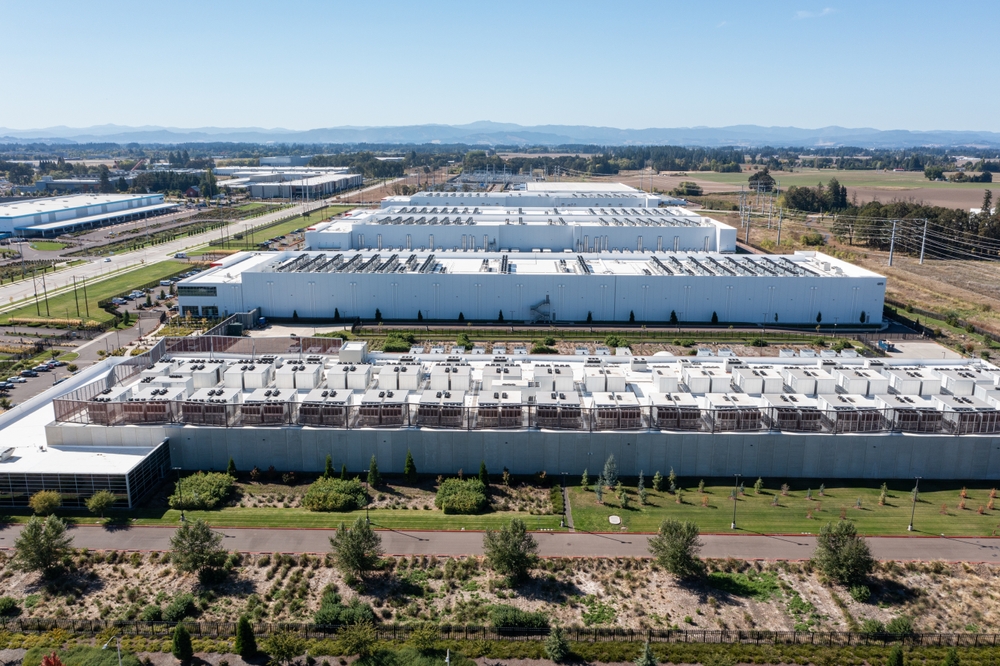
Another development worth watching is the ongoing litigation involving the proposed Valara Holdings/NorthMark data center project in Spartanburg County. The dispute highlights many of the same issues that lawmakers attempted to address through the proposed data center legislation.
The approximately $3 billion project includes a large-scale data center campus and a proposed 450-megawatt natural gas-fired power generation facility intended to serve the development. Local residents and advocacy groups have challenged both the permitting process and the scope of regulatory review applied to the project.
One lawsuit, filed by the Southern Environmental Law Center on behalf of Concerned Citizens of Spartanburg County, alleges that the project was processed through permits typically used for minor land development rather than being subjected to the county’s major land development review procedures. Opponents contend that classifying the project in this manner limited opportunities for public participation and avoided the level of review ordinarily required for developments of comparable scale.
A separate proceeding before the South Carolina Public Service Commission has raised another significant question: whether the project’s proposed 450-megawatt power plant qualifies as a “major utility facility” subject to review under South Carolina’s Utility Facility Siting and Environmental Protection Act. Project opponents argue that the plain language of the statute requires PSC approval before construction can proceed, while the developer maintains that the generation facility is intended solely for private, on-site use and therefore falls outside the Act’s jurisdiction.
The litigation is particularly important because it reflects growing public concern regarding data centers’ impacts on electricity demand, water usage, noise, environmental resources, and local infrastructure. It also demonstrates that even where local zoning approvals have been obtained, affected citizens are increasingly willing to pursue administrative and judicial challenges when they believe regulatory oversight has been insufficient.
For real estate practitioners, the Spartanburg matter provides a practical example of why future data center developments may require more than conventional zoning and land-use analysis. Questions involving utility regulation, environmental permitting, public participation requirements, and state-level siting authority are increasingly becoming intertwined with local development approvals. Notably, many of the issues now being litigated mirror the concerns addressed in proposed legislation such as the Data Center Development Act (S.867) and the Data Center Siting Act (S.902), suggesting that future legislative efforts may be influenced by the outcome of these disputes.
The Silfab Solar Controversy: A Real-Time Zoning Lesson
My colleague, Vance Brabham provided a detailed description of the Silfab Solar chemical spill and zoning implications in a blog article in May, 2026. No recent South Carolina development has highlighted zoning challenges more vividly than the ongoing controversy surrounding the Silfab Solar facility in York County.
The dispute originated with York County’s determination that solar manufacturing was permitted within the facility’s light industrial zoning classification. A subsequent York County Board of Zoning Appeals decision concluded that solar panel manufacturing should instead be treated as a heavy industrial use. Litigation followed concerning the applicability of that determination to Silfab’s project.
The matter intensified in March 2026 when the facility experienced two separate chemical incidents, including releases involving potassium hydroxide and hydrofluoric acid. Following the incidents, the South Carolina Department of Environmental Services ordered the facility to cease operations pending further investigation of safety and chemical-handling protocols.
The response from state and local officials was particularly notable from a zoning perspective. Attorney General Alan Wilson publicly questioned the zoning and permitting process that allowed the facility to be located near Flint Hill Elementary and Middle Schools and demanded information from York County regarding the approvals issued to Silfab. The Attorney General also called for transparency regarding the project’s siting and safety reviews.
York County officials responded by defending the Planning Department’s actions, stating that all zoning approvals and permits were issued in accordance with applicable ordinances and that county staff had provided a zoning verification letter concluding that the use was permissible at the site. County officials further asserted that the county had followed established procedures throughout the approval process.
The Silfab matter demonstrates how zoning decisions can evolve from local administrative determinations into matters of statewide political and public concern, particularly when environmental and public safety issues arise.
What Does This Foreshadow for South Carolina Zoning?
Several themes emerge from the 2025-2026 session and the Silfab controversy.
First, state officials appear increasingly willing to scrutinize local zoning decisions when projects have significant environmental, infrastructure, or public safety implications.
Second, large-scale industrial and technology projects are likely to generate pressure for additional state-level permitting and siting requirements. The data center bills demonstrate that legislators are considering regulatory models that supplement local zoning rather than relying on it alone.
Third, the emphasis on permit validity, vested rights, and enforcement reflected in S.530 suggests that future legislation may seek to limit the ability of disputed projects to continue operating while zoning challenges remain pending.
Finally, the political attention surrounding Silfab indicates that land-use decisions involving schools, residential communities, environmental concerns, and industrial development will likely face heightened public scrutiny moving forward.
Although the 2025-2026 session did not produce sweeping zoning reform, it revealed an unmistakable trend: South Carolina is entering a period of increased attention to land-use regulation. The debates surrounding Silfab Solar in York County, the proposed data center legislation, and the ongoing Spartanburg County data center litigation all point toward greater scrutiny of large-scale projects whose impacts extend beyond traditional zoning considerations. Legislators, regulators, local governments, and courts are increasingly being asked to balance economic development with environmental protection, infrastructure capacity, public participation, and community compatibility. For South Carolina real estate attorneys, these developments suggest that future zoning disputes will involve not only local land-use ordinances but also broader questions of state oversight, permitting authority, and public accountability.
South Carolina’s real estate market continues to benefit from strong population growth, economic development, and cooperation among industry professionals. During a recent webinar hosted by Chicago Title, SC REALTORS® CEO Nick Kremydas and Chief Legal Officer Byron King discussed market trends, regulatory updates, fraud prevention efforts, and legislative changes shaping the state’s real estate landscape.
South Carolina’s Strong Growth Continues
South Carolina remains one of the fastest-growing states in the nation, adding approximately 80,000 new residents over the past year. Growth has been concentrated in key markets such as Horry, Greenville, Charleston, York, Lexington, Spartanburg, Richland, Beaufort, Berkeley, and Lancaster counties.
This population influx continues to fuel housing demand while supporting economic growth and job creation across the state.
A More Balanced Housing Market
The state’s housing market is transitioning into a healthier, more balanced environment. The median home price is approximately $340,000, with modest year-over-year appreciation. Inventory levels have increased, giving buyers more options and reducing some of the pressures seen during recent competitive market cycles.
Homes are also spending more time on the market, creating additional opportunities for negotiation and helping establish a more predictable transaction environment for buyers, sellers, lenders, and attorneys.
Key Contract and Forms Updates
The South Carolina Association of Realtors has updated its residential forms to reflect changing regulations and industry practices.
One of the most significant changes involves compensation. Rather than including cooperative compensation language within standard contracts, compensation terms are now documented directly through listing agreements, buyer representation agreements, seller concessions, and dedicated compensation forms.
These updates promote greater transparency and help ensure that compensation arrangements are clearly documented before closing.
New Trust Fund Compliance Guidance
The South Carolina Real Estate Commission recently emphasized the importance of documenting earnest money deposits held outside brokerages.
Agents are encouraged to obtain written confirmation from attorneys or title companies whenever trust funds are received. Those confirmations should include:
Property address
Names of transaction parties
Date funds were received
Amount received
This documentation creates a clear compliance record and helps reduce misunderstandings throughout the transaction process.
Fraud Prevention Remains a Priority
Seller impersonation fraud and vacant land scams continue to challenge the real estate industry.
Fraudsters frequently target vacant, unencumbered, and non-owner-occupied properties using fake identities, forged documents, and fraudulent listings. Realtors are increasingly using verification tools, identity checks, and property-owner confirmation procedures to detect suspicious activity before a transaction progresses.
As artificial intelligence makes impersonation schemes more sophisticated, collaboration between Realtors, attorneys, lenders, and title professionals remains critical to protecting consumers.
Legislative Wins for Property Owners
Several legislative changes emerged from the 2025-2026 session that strengthen property rights and consumer protections.
Senate Bill 822, the Deed Verification and Deed Alert Protection Act, enhances safeguards against deed theft and fraudulent filings. House Bill 3387 creates a faster process for removing unlawful occupants and squatters from private property. House Bill 4477 helps families resolve heirs’ property title issues without triggering unfair tax consequences, making it easier to maintain or transfer inherited property.
The Association also supported efforts to prevent additional fees that could increase housing costs and further affect affordability.
Real Estate Is a Team Effort
The webinar concluded with a reminder that successful transactions depend on strong partnerships among Realtors, attorneys, lenders, title companies, and settlement professionals.
Whether identifying fraud risks, communicating financing updates, or ensuring proper documentation, each participant plays an important role in creating a smooth closing experience. As South Carolina continues to grow, that collaboration will remain essential to protecting consumers and maintaining confidence in the real estate marketplace.
The central message was simple: when real estate professionals work together, transactions run more smoothly, risks are reduced, and South Carolina’s housing market remains strong for everyone involved.