
 Just in time for tax season, the IRS announced on April 4 that it will begin using private debt collectors pursuant to federal law enacted late in 2015.
The IRS said that it will begin this month sending around 100 letters per week to taxpayers who have accumulated years-overdue tax debt. If the process goes smoothly, the number of letters will be increased to 1,000 per week.
Outsourcing debt collection will likely provide scammers with new opportunities, so the IRS has provided some advice for the safety of taxpayers.
The taxpayer will hear from the IRS first by letter. The letter will provide the name and contact information for the debt collection firm. After that initial contact, the debt collection firm will send its first letter confirming that it will handle the case. Neither initial contacts will be by telephone.
At this point, only four firms have been identified: CBE Group of Cedar Falls, Iowa; Conserve of Fairport, New York; Performant of Livermore, California; and Pioneer of Horseheads, New York. Each taxpayer’s account will be assigned to only one of these firms.
None of the firms will ever ask for payments to be made to anyone other than the United States Treasury. If a taxpayer is asked to make payment to anyone else, this is a scam.
In the case of mistreatment under this new program, taxpayers are urged to file complaints with the Treasury Inspector General for Tax Administration and the Consumer Financial Protection Bureau. The IRS and Congress have indicated they will be monitoring this situation carefully.
On a related topic, real estate lawyers should be reminded that the IRS may issue a levy, which is a legal seizure, of a taxpayer’s property to satisfy a tax debt. When a levy is issued, it applies to real property, money, credits and bank deposits. A levy can also reach property held by third parties, such as retirement accounts, dividends, bank accounts, licenses, rental income, accounts receivable, the cash loan value of life insurance policies and commissions.
The IRS issues a levy only after it has exhausted other means to collect a tax debt.
From time to time, a settlement agent will receive a levy for a party involved in a closing. The taxpayer should be sent a notice in writing of the receipt of the levy and should be directed to consult with his or her tax advisor. Remember that a real estate lawyer who is not also competent as a tax lawyer should never offer tax advice. Typically, after the taxpayer has time to seek tax advice, the settlement agent should comply with the levy.
(If I received a levy, however, I would also seek my own tax advice prior to disbursing any funds!)


 The memo further indicates that attorneys’ ability to act as counsel for customers will not be impacted. I don’t read this last directive to mean that attorneys who are not on the approved list will be in a position to close loans. They will only be in a position to dispense legal advice, if I am interpreting this correctly.
 We have already received an underwriting question about this case in our office. We were asked whether our attorney agents can ignore the liens filed in contravention of this case. The answer is that we can discuss the specifics on a case-by-case basis, but it appears that although the liens may be invalidated by a court, dirt lawyers and title companies should not generally take this risk without the involvement of a court. If you run into this issue in connection with your closings, call your title insurance underwriter to discuss your options!
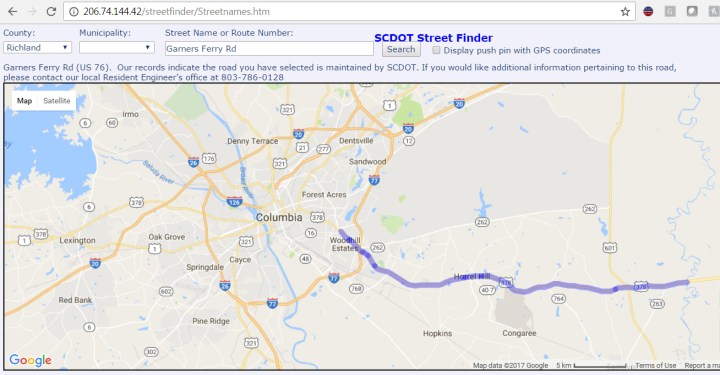
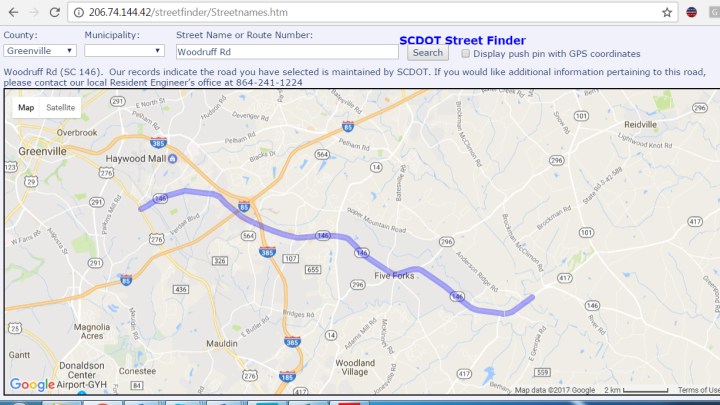
 My colleague Tom Dunlop recently shared a South Carolina Department of Transportation website with me that is a nifty tool for determining whether the DOT maintains a road.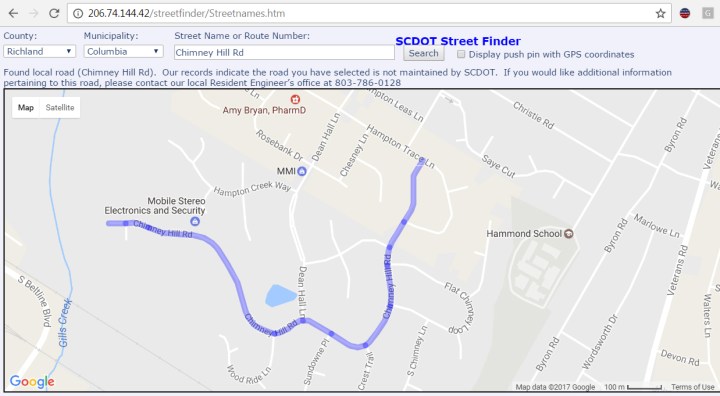


 understand that a real estate agent’s license is no indication that the person who shows a home is honest and trustworthy. Paying proper respect to the many, many wonderful real estate agents I know, however, it should be noted that we have seen cases in other parts of the country where real estate agents were harmed by their clients.


 entertained us during lunch at our recent Chicago Title seminar. A joke that bubbled up through his very funny presentation was a line his mother used to keep him on the straight and narrow during his childhood, “what you NOT gonna do is…..”
 Let's Talk Dirt